


WHAT THE WATER REVEALS
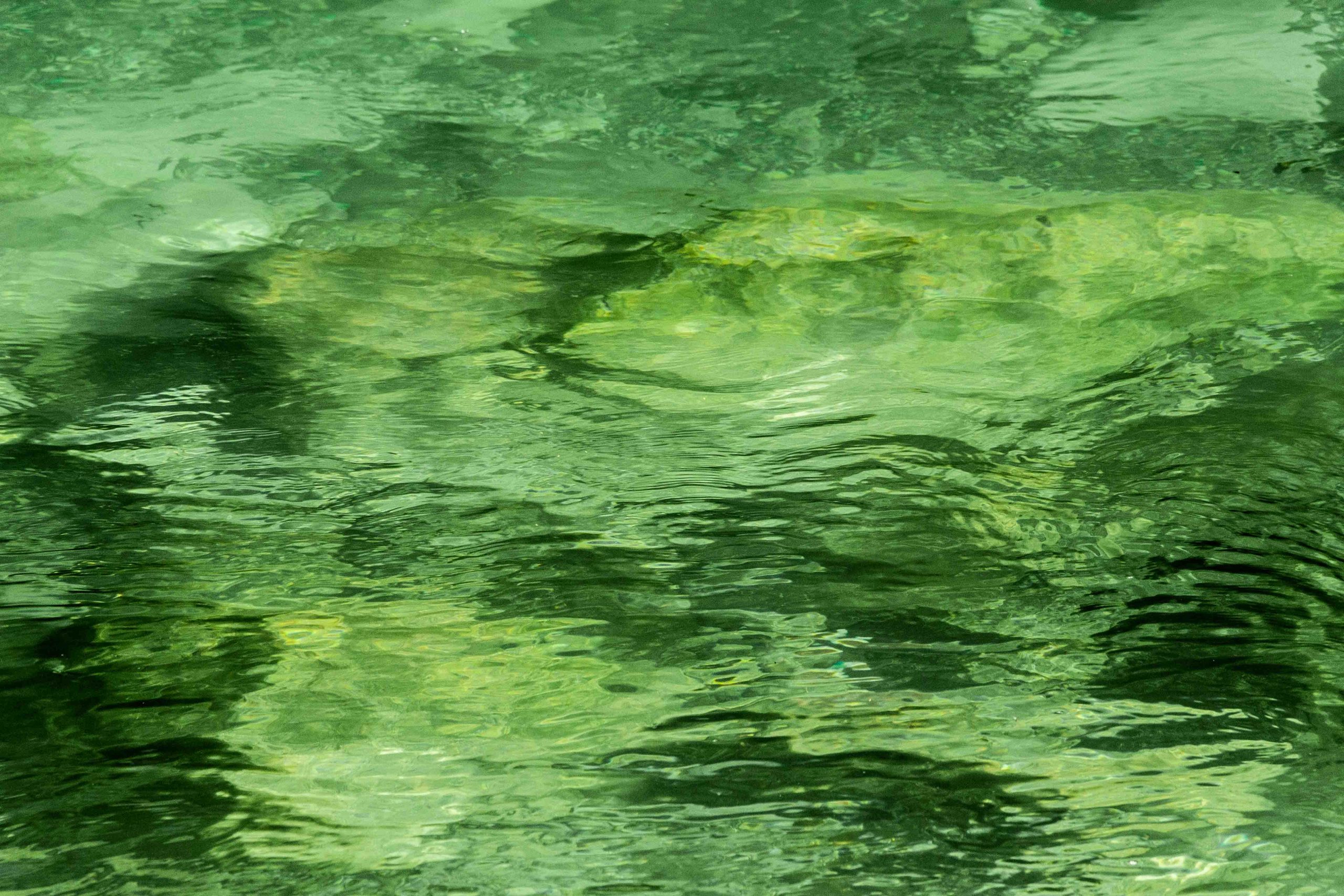
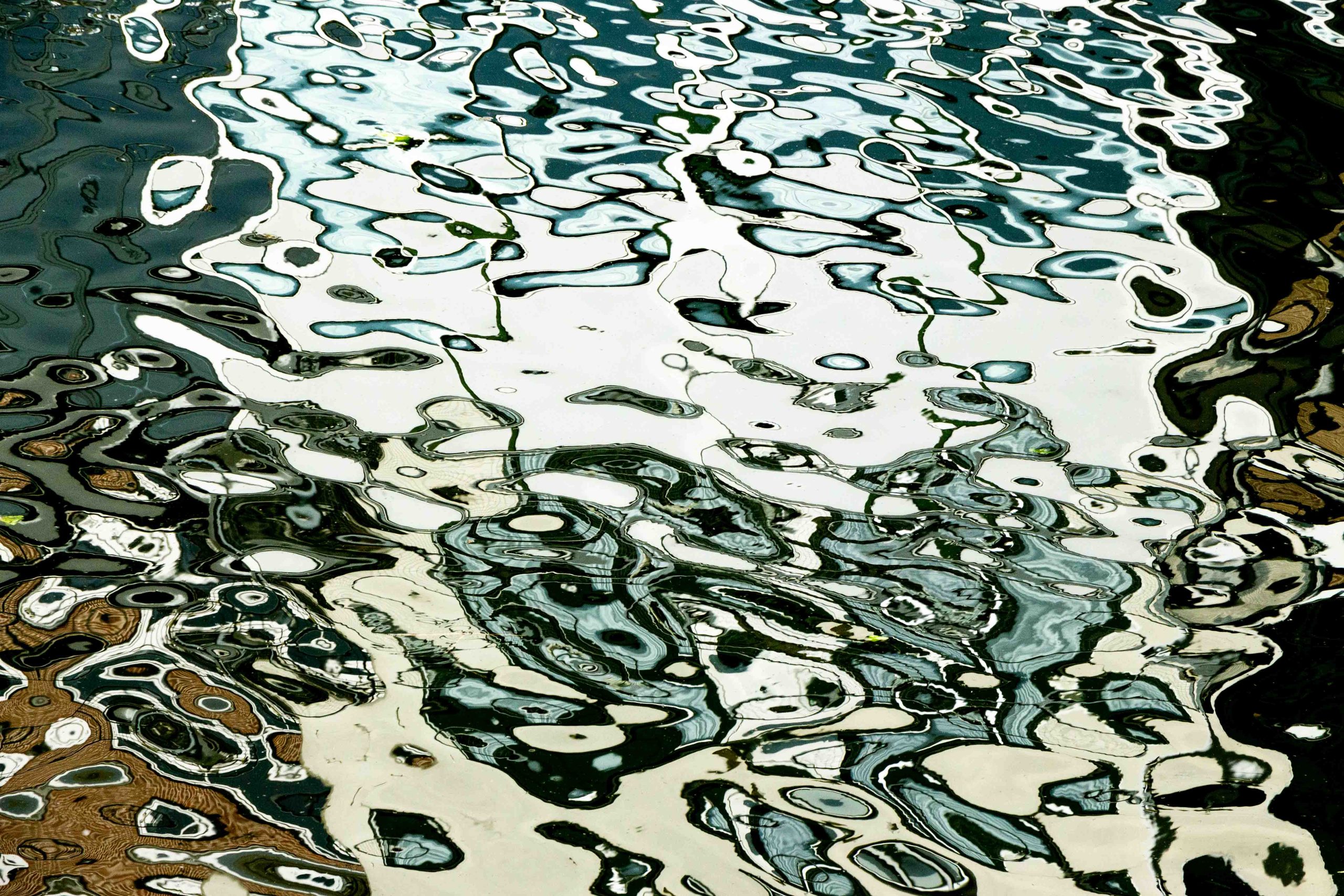
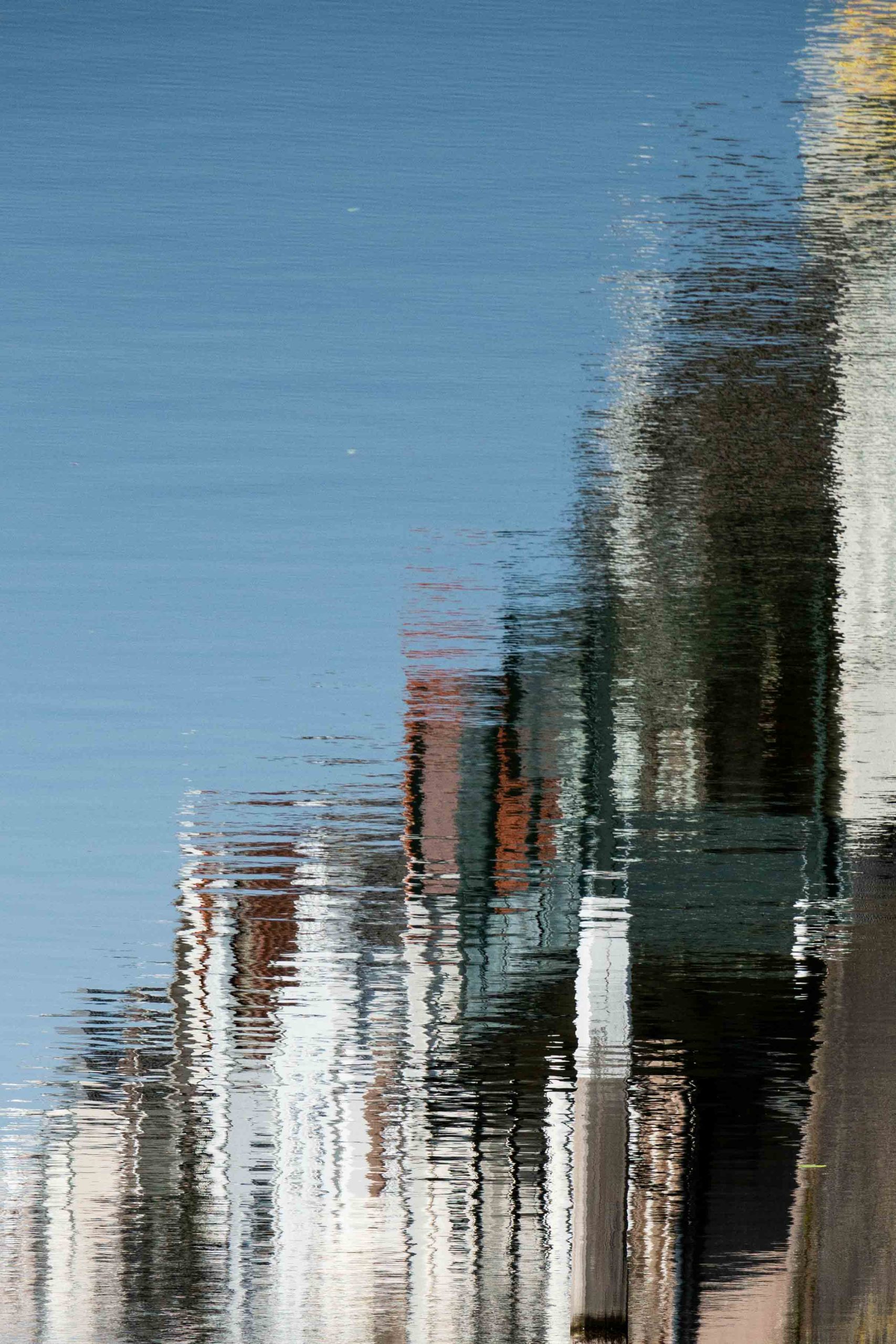
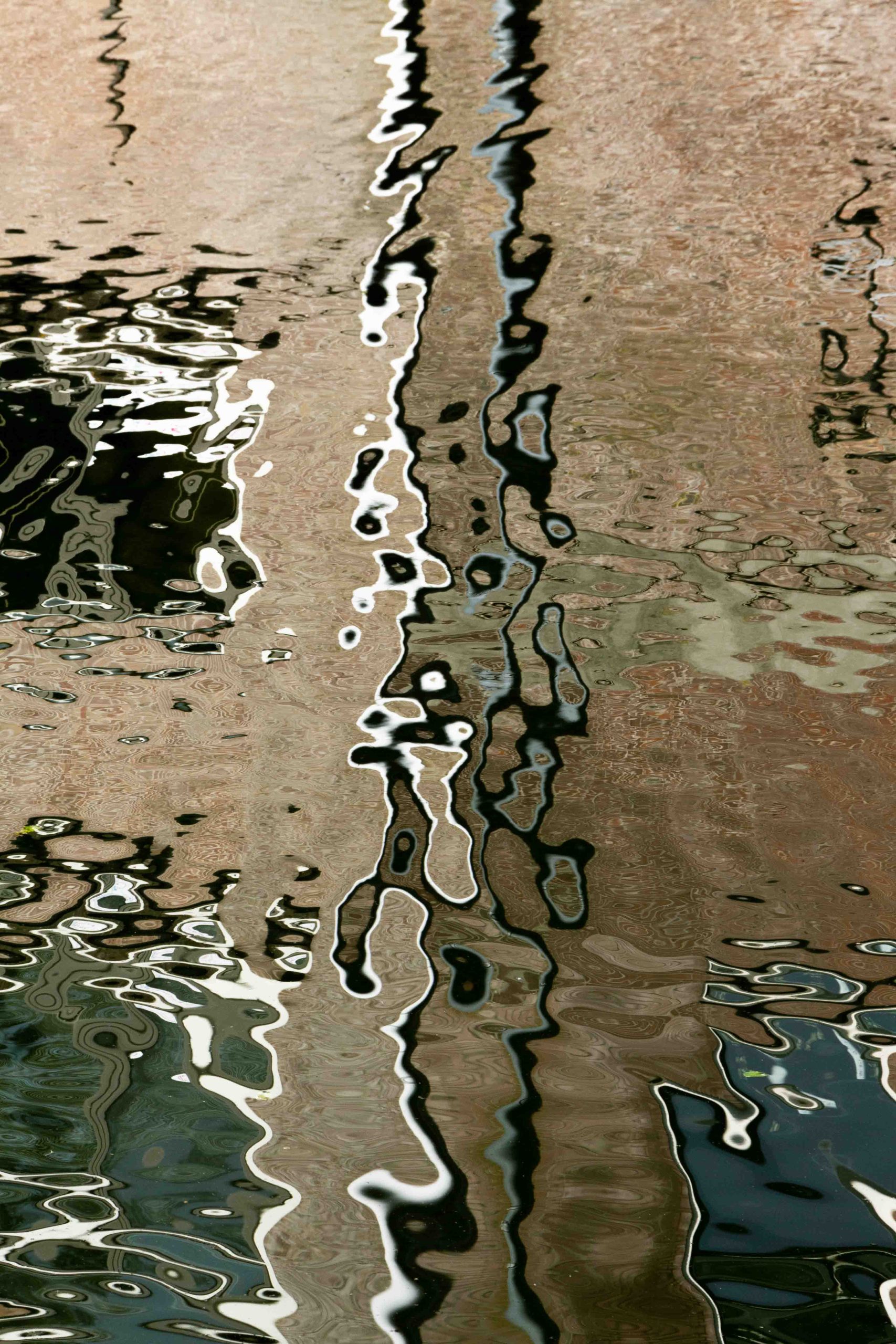
In these photographs the landscape seems to present itself, yet in reality we are looking at something that is not directly there. The image that appears exists only on the surface of the water: a fleeting reflection. The actual subject lies outside the frame, invisible to the direct gaze.
The water functions as a mirror that not only reflects but also transforms. What we see is a version of reality that depends on light, movement and perspective. A small ripple can distort the image; a breeze can make it disappear.
Thus a paradox emerges: we see a landscape that we do not actually see. The eye is guided by a reflection, an indirect presence. Sometimes images appear only when we do not look at them directly.
WHAT IS ART?
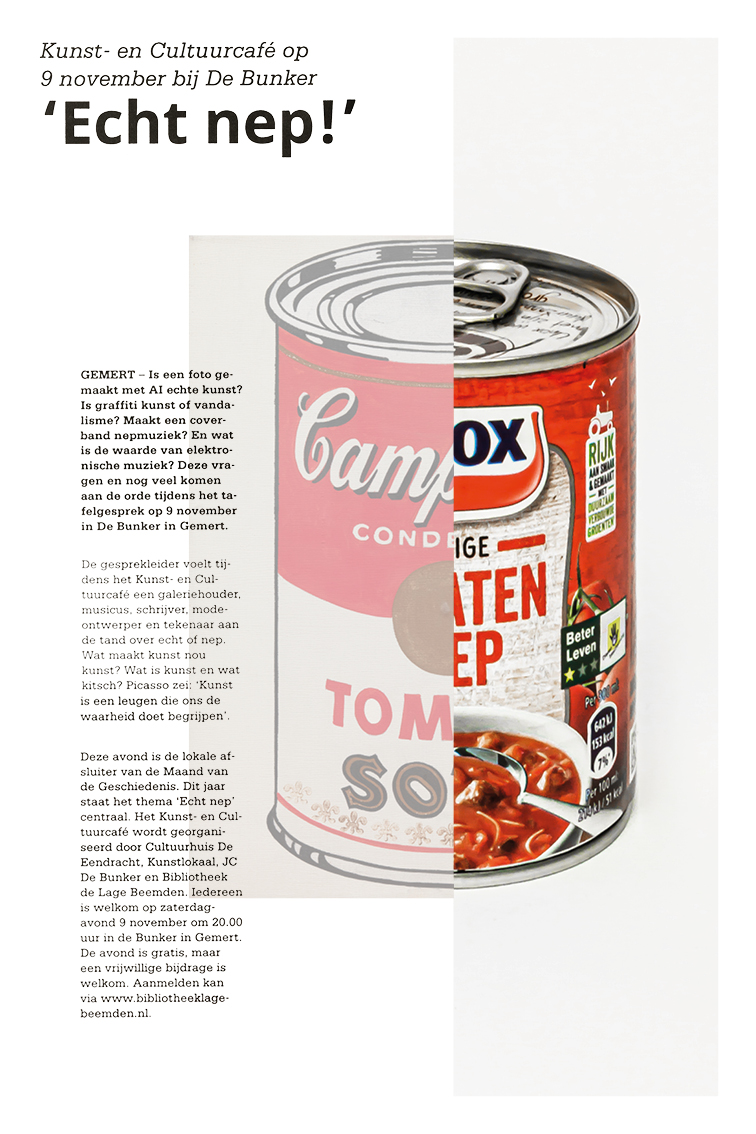
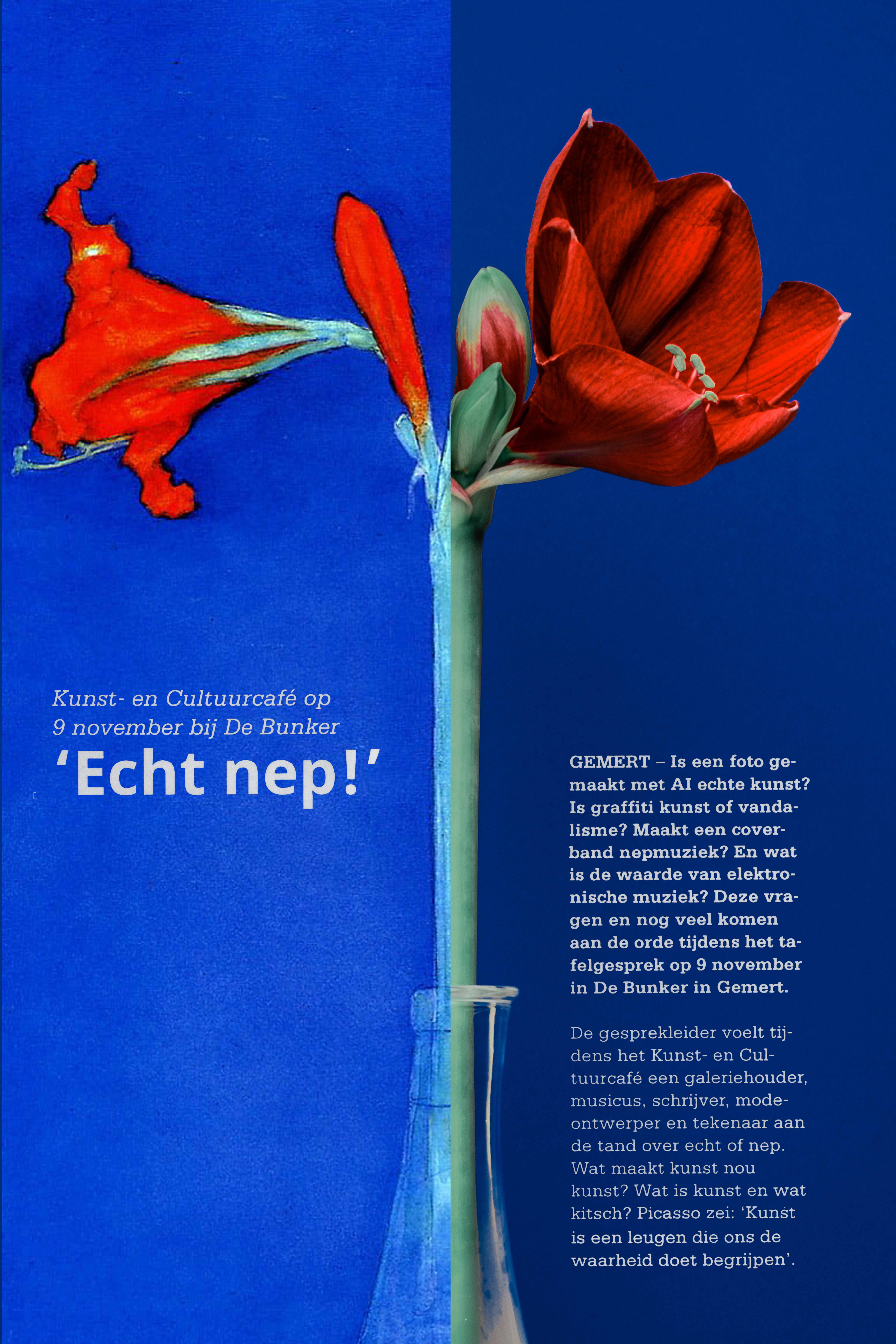
This photograph pairs a newspaper article announcing a discussion on the question “What is art?” with a visual interpretation of that very question. A famous painting — a work valued at millions — is recreated as a photograph and placed alongside the original.
The work raises questions about value, authorship, and recognition: who determines what counts as art, and how its worth is established? Can a photograph that mimics a renowned painting also be considered art? By presenting the familiar and the reproduced side by side, the image invites reflection on how art is evaluated, categorized, and experienced.
GORINCHEM


NAKED –
TIMELESS PORTRAITS
In this portrait series, all elements that connect the image to a specific time or context have been removed. Clothing, jewelry, and other recognizable details are absent. What remains is the face, the gaze, the presence of the person portrayed. The empty space that emerges asks for an active gaze. The viewer inevitably fills in what is missing: a story, a context, an identity. In this sense, the portraits are not only images of someone, but also mirrors for the one who looks. Here, Naked does not refer to the body, but to the image itself: stripped of everything that is not essential. What remains is an encounter that seems to exist outside of time and place.


TILBURG



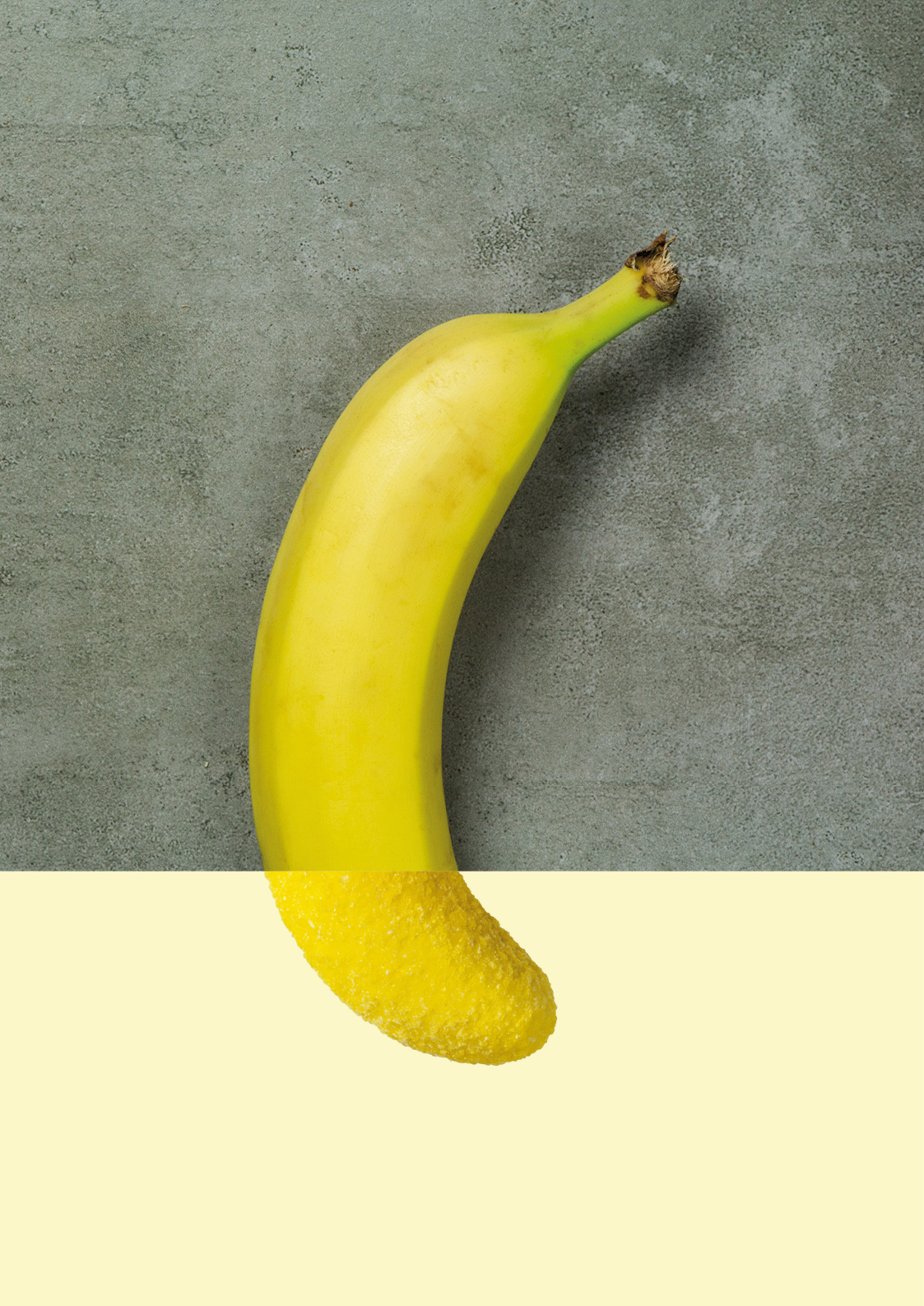
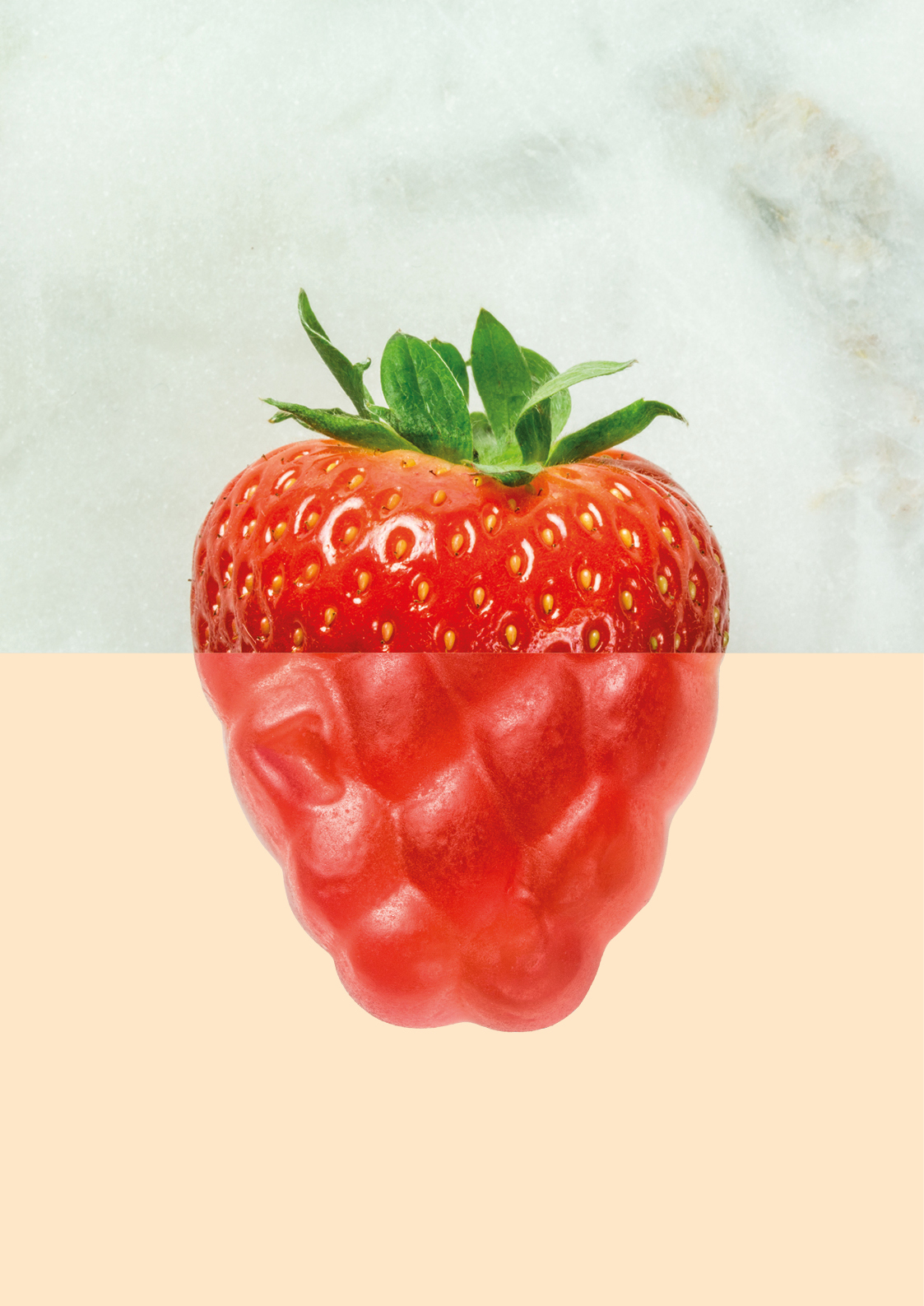
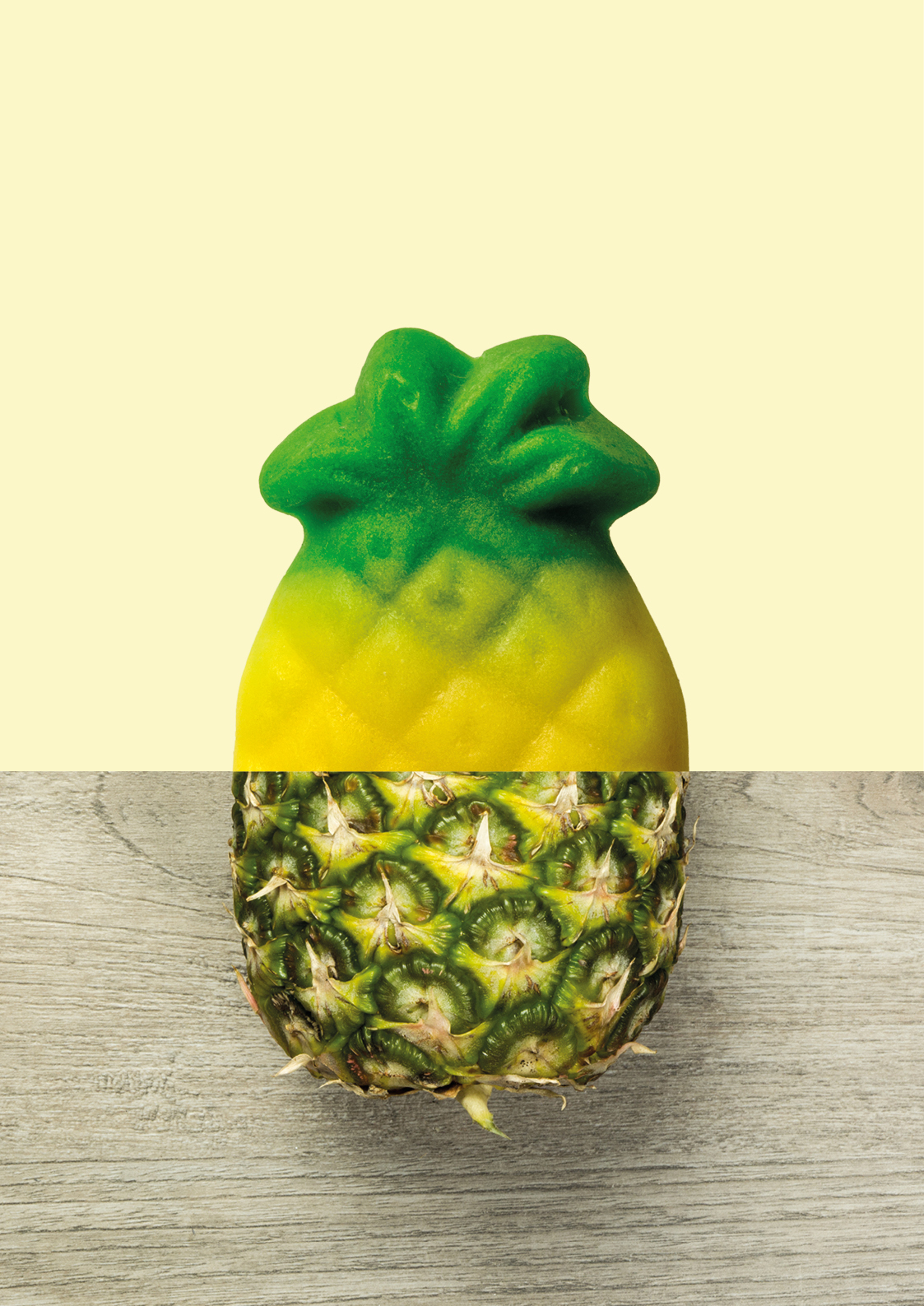
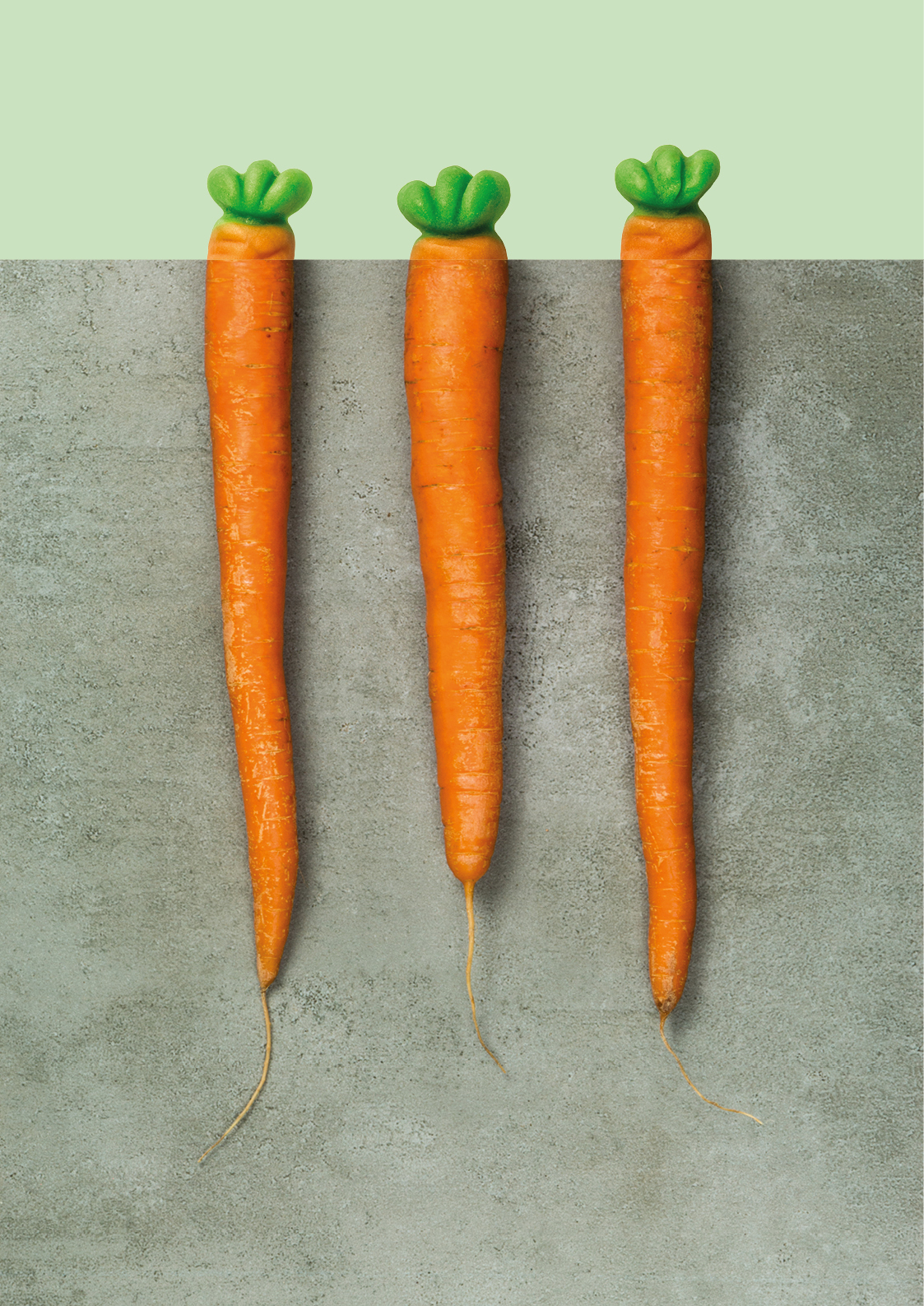
BITTERSWEET
In this series, real products are combined with their counterparts made from candy. At first glance, the images may seem playful and colorful, but they also reflect a broader strategy within our consumer society: increasing recognizability and appeal. Shapes, colors, and imagery are constantly adjusted to capture our attention and make products more enticing. By placing real objects alongside their sweet imitations, a subtle tension emerges between the product and its seductive representation. Bittersweet points to this duality: the attraction of what we see, and the awareness that this appeal is often carefully constructed.
ZAANDAM




DENIM
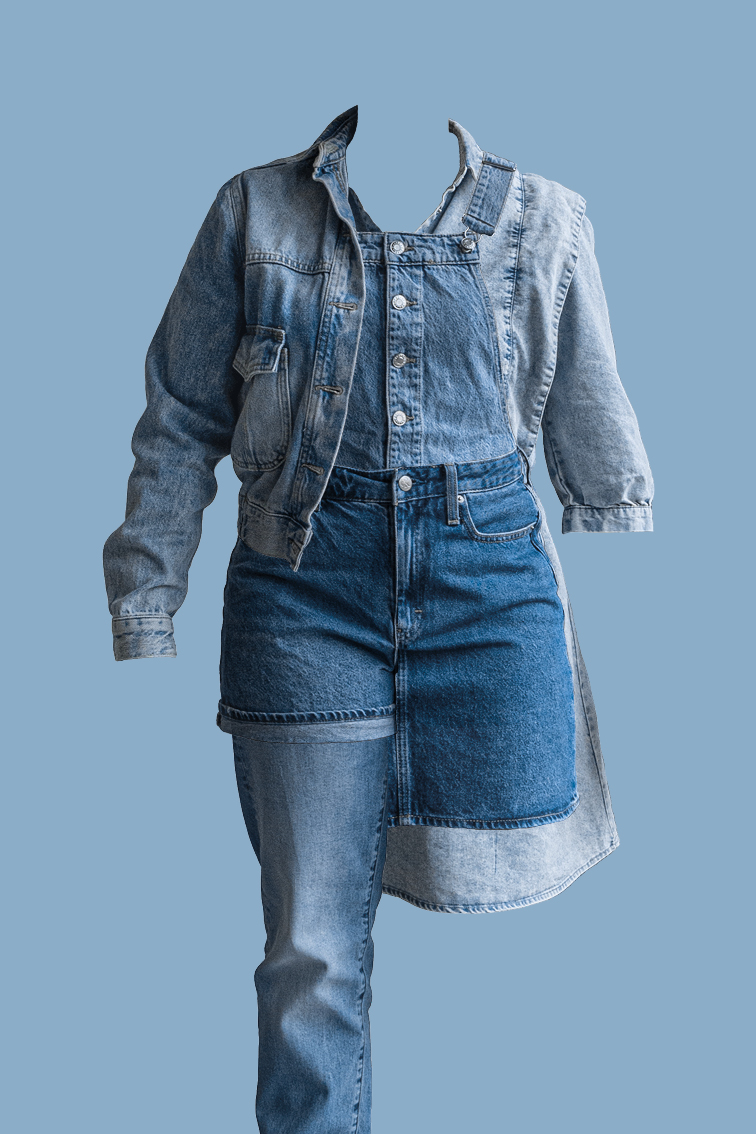
In this photograph, various denim garments are brought together in a single image. All pieces come from my own wardrobe, yet together they reveal the immense variety of denim products available on the market.
They illustrate how the fashion industry constantly responds to consumer desires, creating garments to meet every demand. What was once a single material has, over time, been split into countless forms, styles, and applications — a visual reflection of consumption and choice.
ICM



ALMERE



HILVERSUM